When to Take Your Pet to the Vet: Veterinary Care Advice for Madison, WI
Knowing when to take your pet to the vet is one of the hardest calls an owner makes. Wait too long and a treatable problem gets worse. Rush in for every sneeze and you spend money and stress your animal for nothing. This guide from Animal Health X gives owners in Madison, WI a way to sort symptoms into three groups: go now, call today, or book a regular visit.
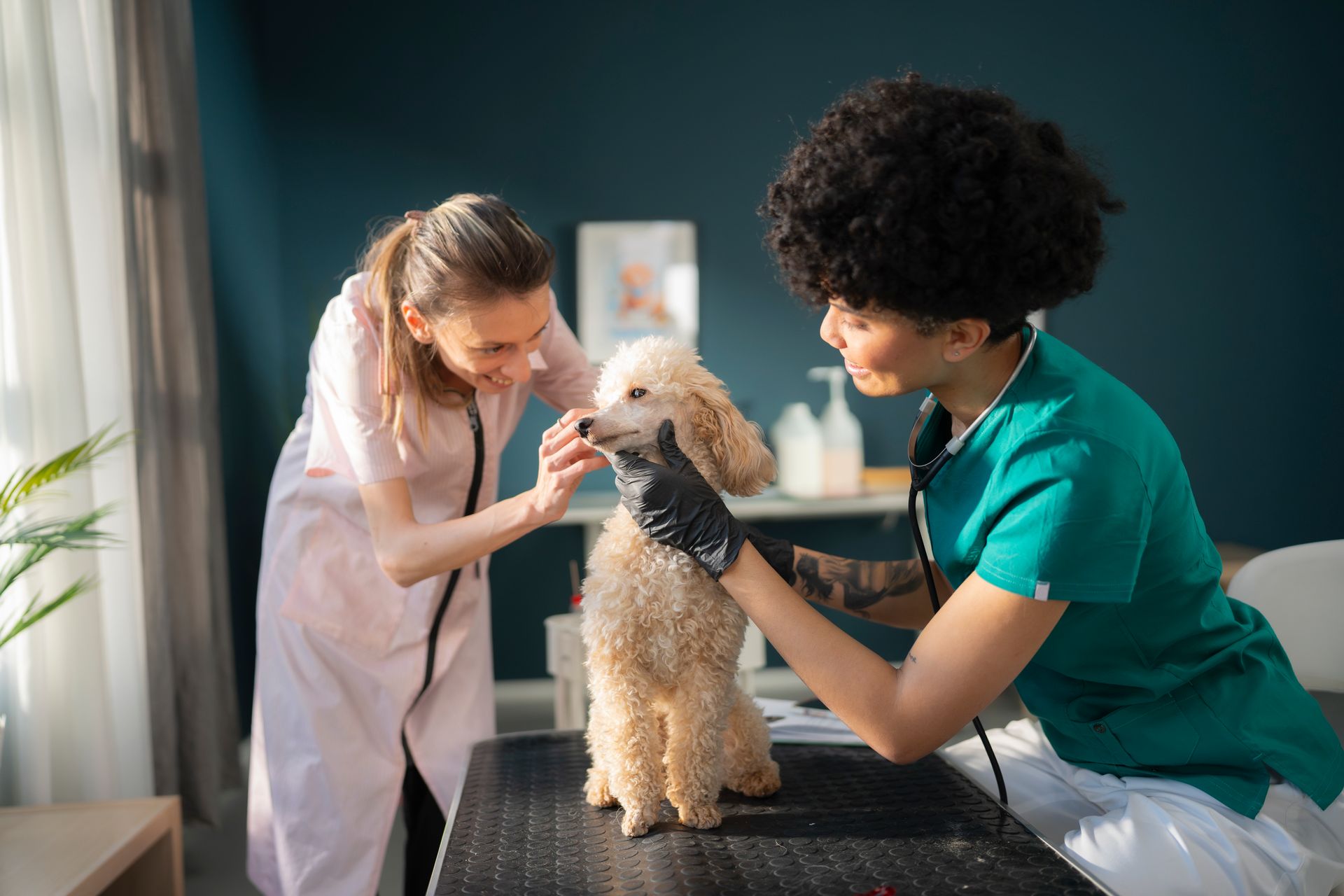
When Should I Take My Pet to an Emergency Vet?
Go to an emergency vet right away if your pet can't breathe normally, can't stand, has a seizure lasting more than 5 minutes, is bleeding heavily, or has swallowed something poisonous. These problems can turn fatal within hours, and some within minutes.
When you aren't sure, call. Your regular vet or the emergency hospital can tell you over the phone whether to come in. For a possible poisoning, the ASPCA Animal Poison Control Center answers around the clock at (608) 255-1239, though it charges a consultation fee..
Sorting Symptoms by Urgency
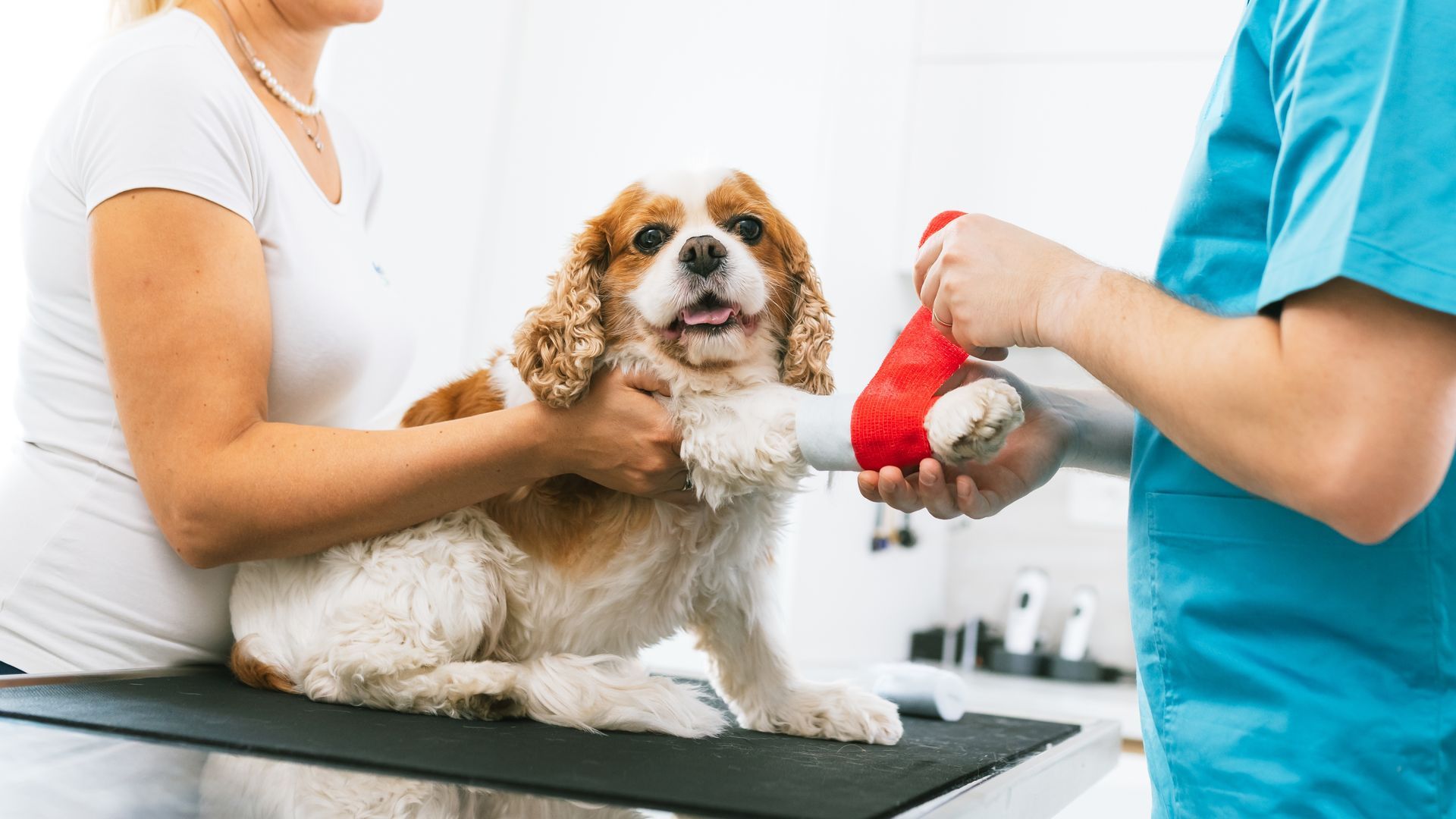
Pet Emergency Signs: Go Now
A large dog that keeps trying to vomit but brings nothing up, especially with a tight, swollen belly, may have bloat. In its worst form, the stomach twists and needs surgery fast. Any pet hit by a car needs an exam, even if it walks away, since internal bleeding can show up hours later.
Heatstroke is another emergency. Heavy panting, drooling, and a body temperature over 104 degrees mean you should cool your pet with lukewarm water, not ice, and drive straight in. Eye injuries belong on this list too, because a scratched or bulging eye can be lost quickly.
Call Your Vet Today
Some problems aren't emergencies, but they shouldn't wait for next week. Call the same day if your dog won't put weight on a leg or there's blood in the stool. A face that suddenly swells or breaks out in hives also needs a same-day call, since allergic reactions can progress. A dog that has refused food for a full day belongs here too.
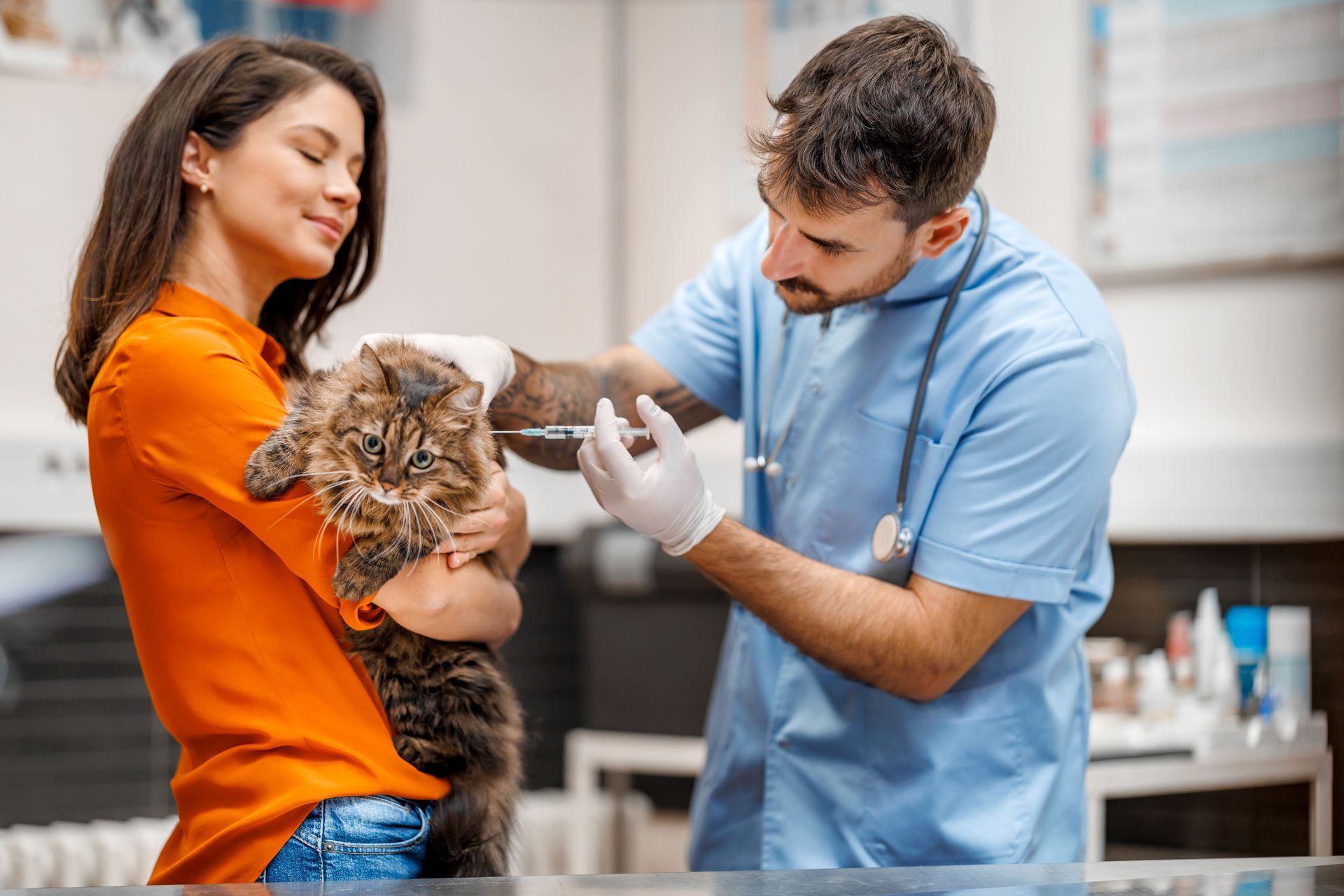
Book a Regular Appointment
Slow changes usually fit a normal visit within a week or two. That includes mild itching, bad breath, gradual weight gain or loss, and a slow increase in thirst. For lumps, many vets follow a simple rule: if it's bigger than a pea and has been there for a month, have it checked with a needle sample.
Preparing for a Vet Visit
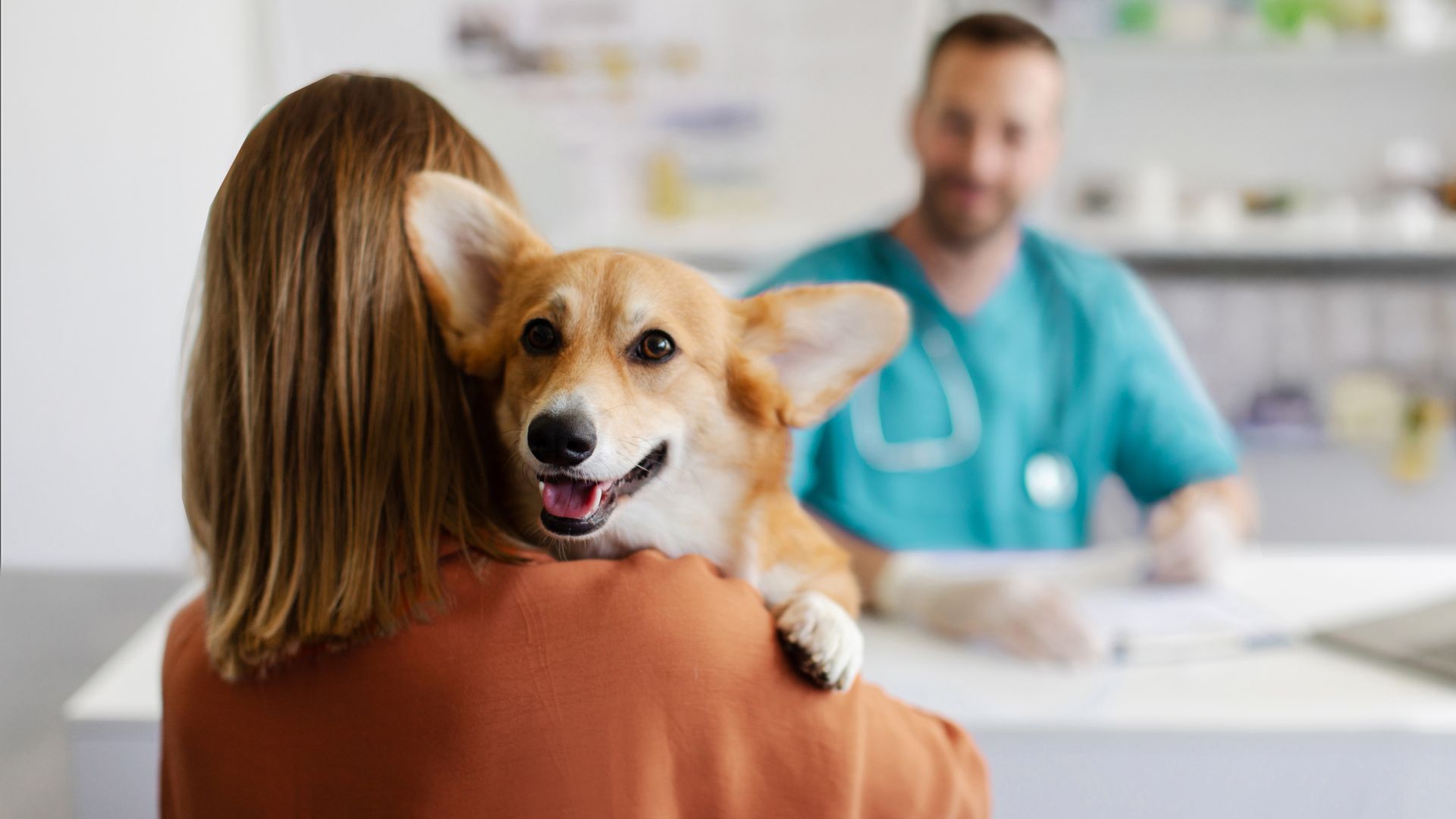
A little preparation makes the appointment more useful. Write down when the problem started and how it has changed. If the symptom comes and goes, like a cough or a seizure, record a short video on your phone. Bring a list of any medications or supplements, plus a fresh stool sample in a sealed bag if your vet asks for one.
Cats often fight the carrier, which adds stress before you even leave. Leave the carrier out at home with a soft towel inside so it becomes familiar furniture. Our page on home health checks for dogs and cats shows what to look at before you call.
A Note From Animal Health X
This page offers general veterinary care advice from a Madison non-profit. Your own vet knows your animal's history, so when their guidance differs from ours, follow theirs. Some emergencies start as something a routine exam could have caught. That's why our guide to preventive pet care is worth a read too.
When to Take Your Pet to the Vet After Hours in Madison
Emergencies don't keep office hours. Before you need it, save two numbers in your phone: your regular vet and the nearest 24-hour emergency hospital. Planning veterinary care in Madison, WI this way saves time when every minute counts, and the same applies to owners in Fitchburg, Middleton, and Maple Bluff. Know the drive time, too, so you aren't searching for directions with a sick animal in the back seat.
Veterinary Questions Owners Ask
Should I make my dog vomit if it ate something toxic?
Not without guidance. Some substances, like bleach, batteries, and petroleum products, do more damage coming back up. Call your vet or poison control first, and have the product label in hand when you do.
How do I move an injured pet safely?
Even a gentle dog may bite when it's hurting, so approach slowly and keep your face away from its mouth. For a large dog, slide a blanket underneath and use it as a stretcher. Small dogs and cats can go in a carrier or a box lined with a towel.
How long can diarrhea go on before my dog needs a vet?
An adult dog with diarrhea that's still eating, drinking, and acting normal can usually be watched for 24 to 48
hours. Puppies, senior dogs, and any dog with blood in the stool or vomiting should be seen sooner.
Can I give my pet human pain medicine?
No. Ibuprofen, naproxen, and acetaminophen can cause kidney failure, stomach ulcers, or liver damage in pets. Cats are especially sensitive, and a single regular-strength acetaminophen tablet can kill one. Ask your vet for a pet-safe option.
Send Us Your Question
For questions that aren't urgent, email animalhealthX@gmail.com
or call (608) 255-1239. If your pet needs help right now, call your vet or emergency hospital instead of waiting on a reply.