Pet Care Information for Madison, WI Pet Owners
Good pet care is mostly routine. This page gathers pet care information for owners in Madison, WI, with a focus on the daily work that keeps dogs, cats, and other small pets healthy. You'll find feeding guidance, grooming and hygiene tips, and advice for bringing a new pet home. It comes from Animal Health X, a Madison non-profit that helps owners understand their animals.

What Does Basic Daily Care for a Pet Include?
Basic daily care includes measured meals, fresh water, a clean bathroom spot, some exercise or play, and a short hands-on check of your pet's coat, eyes, and ears. That's the whole list for most days.
Dogs usually need at least two walks or play sessions a day. Cats get by with less, but 10 to 15 minutes of play helps keep indoor cats at a healthy weight. The hands-on check matters more than it sounds. Running your hands over your pet each day is how you find a lump, a tick, or a sore spot while it's still small.
The Parts of Good Pet Care
Pet Nutrition and Feeding
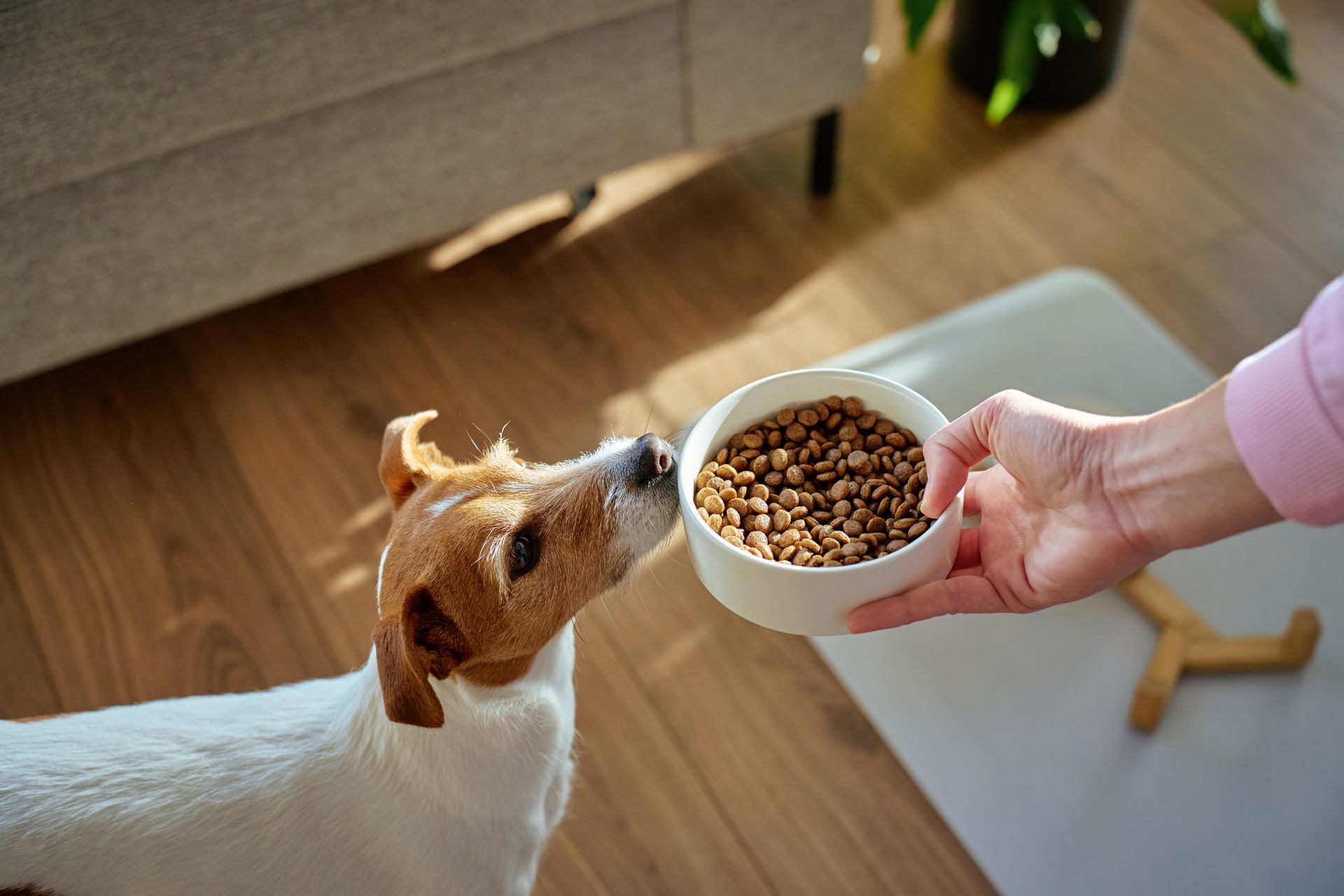
Most adult dogs do well on two meals a day, and many cats prefer several small ones. Use a measuring cup instead of eyeballing the scoop. The feeding chart on the bag is a starting point, and your pet's body tells you the rest: you should be able to feel the ribs without pressing hard.
Treats should stay under 10 percent of daily calories. Keep onions and garlic away from both dogs and cats, since both can damage red blood cells. When you switch foods, mix old and new over 7 to 10 days to avoid an upset stomach.

Pet Grooming and Hygiene
How often you brush depends on the coat. Long-haired cats and dogs with thick double coats need brushing most days, while short coats need it about once a week. Nails need a trim every 3 to 4 weeks for most dogs. If you hear clicking on a hard floor, they're overdue.
Teeth are the part owners skip most. Brush with toothpaste made for pets, never human toothpaste, which can contain xylitol or fluoride. For cats, scoop the litter box daily and keep one box per cat, plus one extra.
Caring for a New Pet
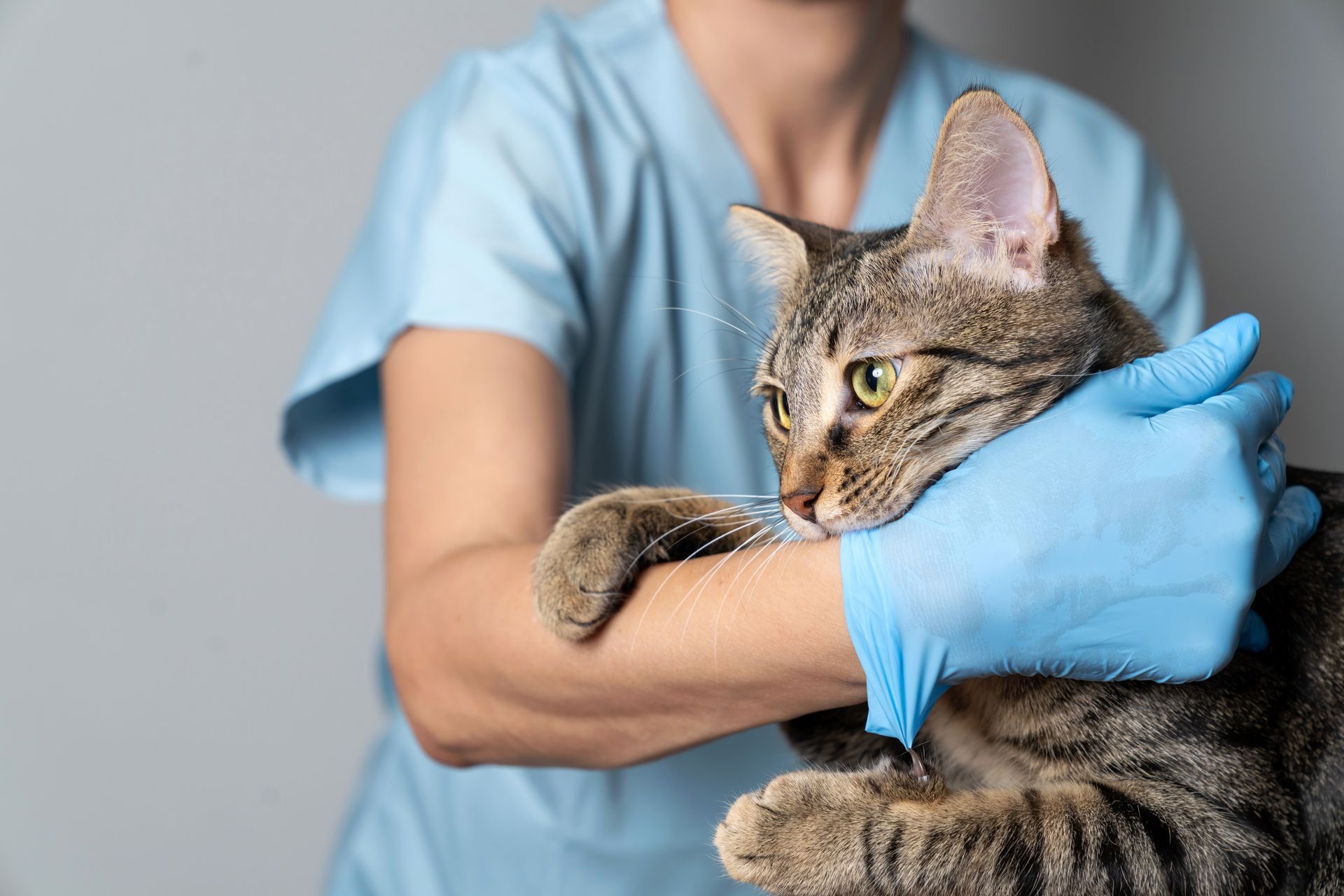
Before a new pet comes home, have food, bowls, a bed or crate, and an ID tag ready. Book a first vet visit within the first week, even if the shelter or breeder already did one. Bring any records you were given.
Give your pet a quiet space and a predictable schedule for the first few weeks. Keeping meals and bedtime at the same times each day helps a new animal relax faster. If you're also unsure how to spot illness, our guide to small animal health covers the warning signs.
Responsible Pet Ownership
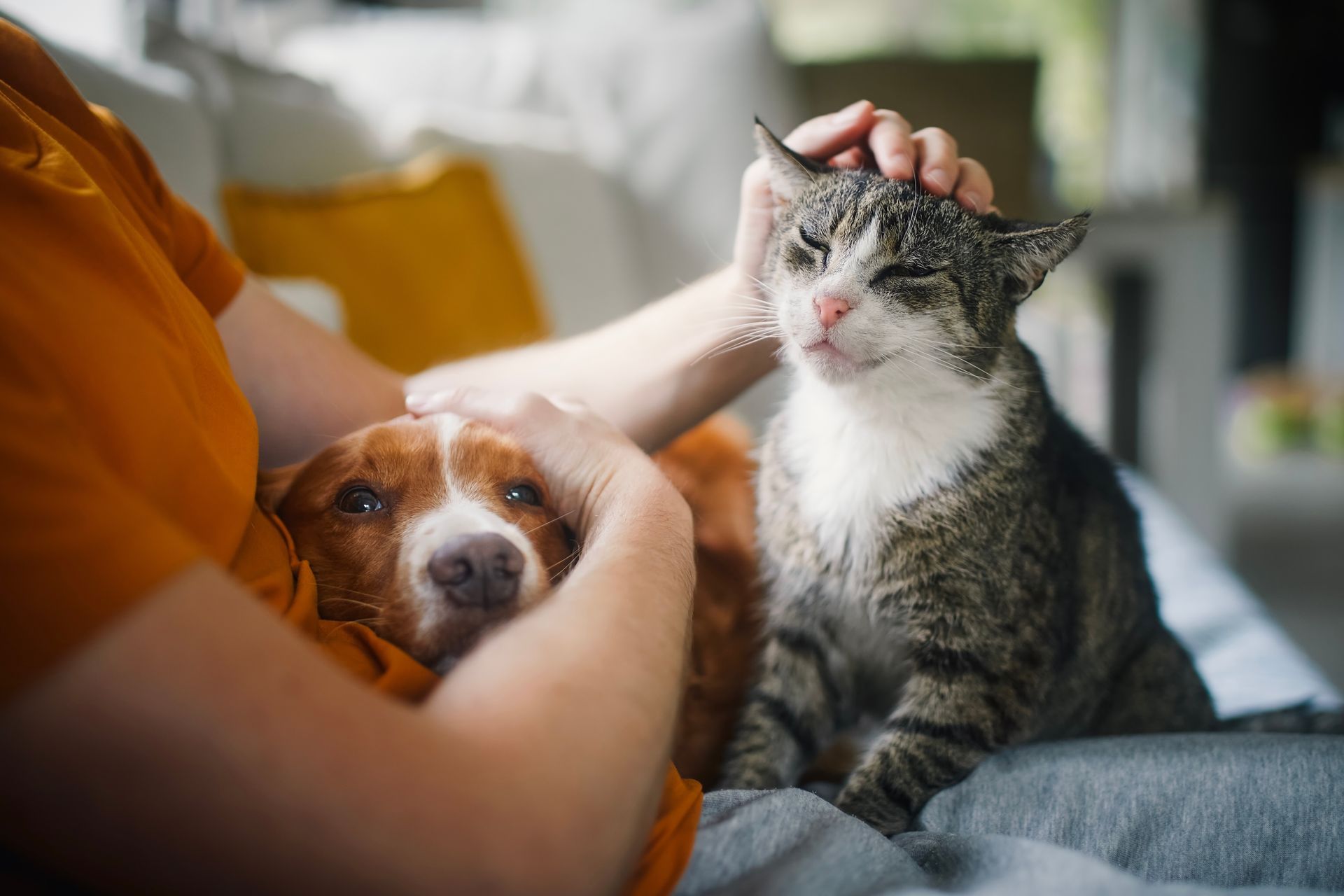
Wisconsin requires a license for dogs over 5 months old, and your city or town handles it. Microchipping is not required, but it's one of the most reliable ways to get a lost pet back. Spaying or neutering, leash use in public, and cleaning up after your dog round out the basics.
Why Owners Use Animal Health X
Animal Health X is a Madison non-profit, and this site exists to make animal care easier to understand. The pages are written for owners, not for veterinarians, so the advice is practical and the terms are everyday ones. Nothing here replaces an exam. When something seems off, our page on when to take your pet to the vet helps you decide how quickly to call.
Pet Care Information Built Around Madison Weather
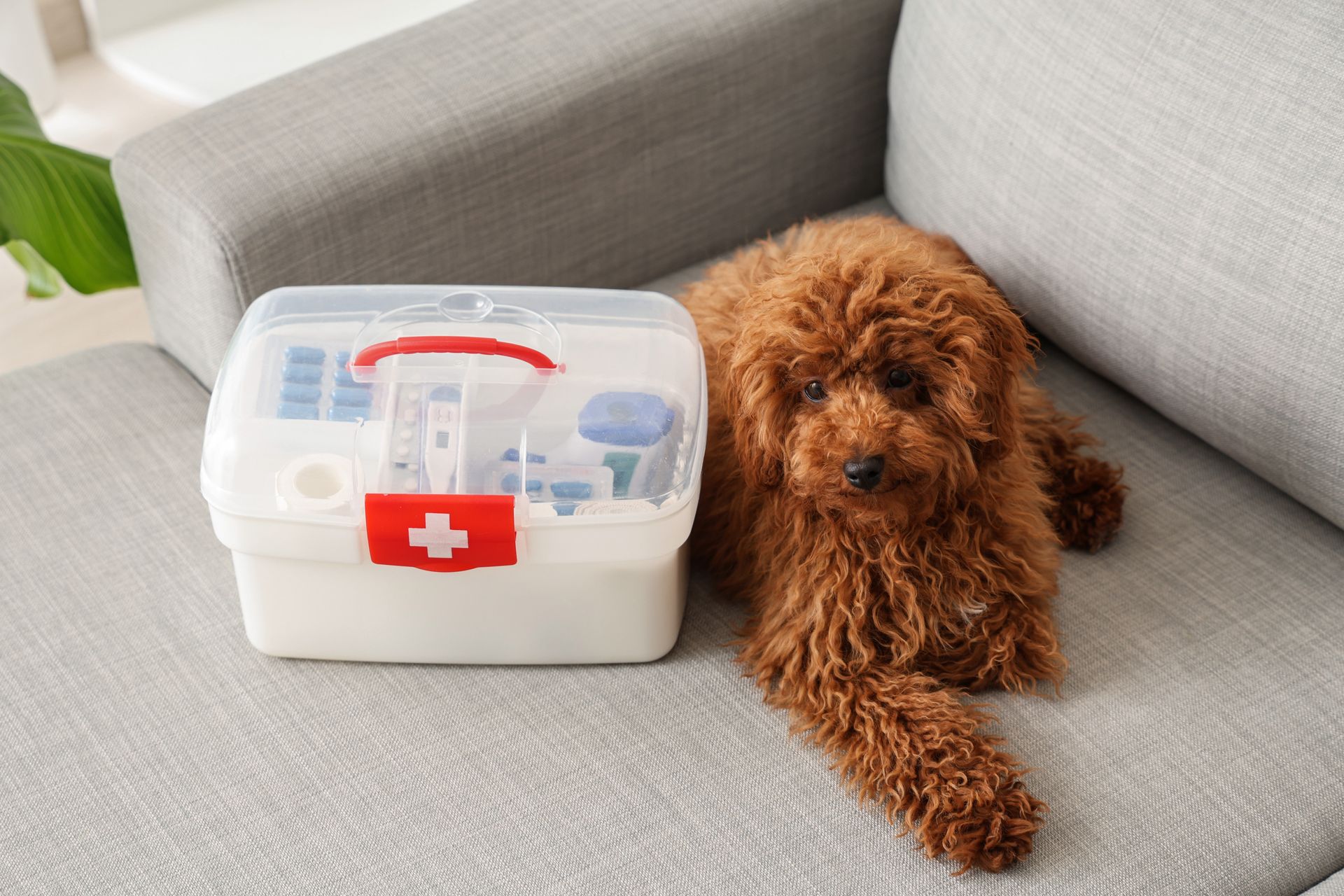
Wisconsin seasons change what your pet needs. In winter, road salt and de-icers can crack paw pads, so wipe your dog's feet after every walk. In summer, the inside of a parked car can reach about 100 degrees within 10 minutes on an 80 degree day. This advice applies to owners across Madison and nearby communities like Maple Bluff, Shorewood Hills, Verona, and McFarland.
Pet Care Questions Owners Ask
How often should I bathe my dog?
Most dogs need a bath every 4 to 6 weeks, or sooner if they roll in something. Bathing much more often can dry out the skin. Use a shampoo made for dogs, since human products are harsher on their skin.
How much water does a pet need each day?
A dog needs roughly 1 ounce of water per pound of body weight each day, so a 40 pound dog drinks about 5 cups. Cats need less, about 3.5 to 4.5 ounces per 5 pounds, and wet food covers part of it. If your pet suddenly drinks much more than usual, mention it to your vet.
How long does it take a new pet to settle in?
Many shelters use the 3-3-3 rule for rescue dogs: about 3 days to decompress, 3 weeks to learn the routine, and 3 months to feel at home. Cats often need a week or two in one quiet room before exploring the whole house.
Can I share table food with my pet?
Small amounts of plain, cooked meat with no seasoning are generally fine for dogs and cats. Skip anything cooked with onions or garlic, and avoid fatty scraps like bacon or ham skin, which can trigger pancreatitis in dogs.
Talk to Us About Pet Care
If this page didn't cover your question, send it our way at animalhealthX@gmail.com
or call (608) 255-1239.