Preventive Pet Care in Madison, WI: Exams, Vaccines, and Parasite Control
Preventive pet care is the work you do while your animal is healthy so it stays that way. This guide is for owners in Madison, WI who want a clear plan for checkups, shots, and parasite protection through the year. The focus is dogs and cats, though the same thinking applies to other animals. Animal Health X shares it as part of its work in animal health education.

How Often Does My Pet Need a Wellness Exam?
A healthy adult dog or cat needs a wellness exam every 12 months, and a senior pet needs one every 6 months. Dogs usually count as seniors around age 7, sooner for large breeds, while cats reach that stage around 11.
Puppies and kittens are on a tighter schedule. They need a visit every 3 to 4 weeks from about 6 to 8 weeks old until 16 weeks, while their first vaccine series is finished. Pets age faster than people, so a year between exams is a bigger gap than it sounds..
What Preventive Care Covers

The Annual Wellness Exam
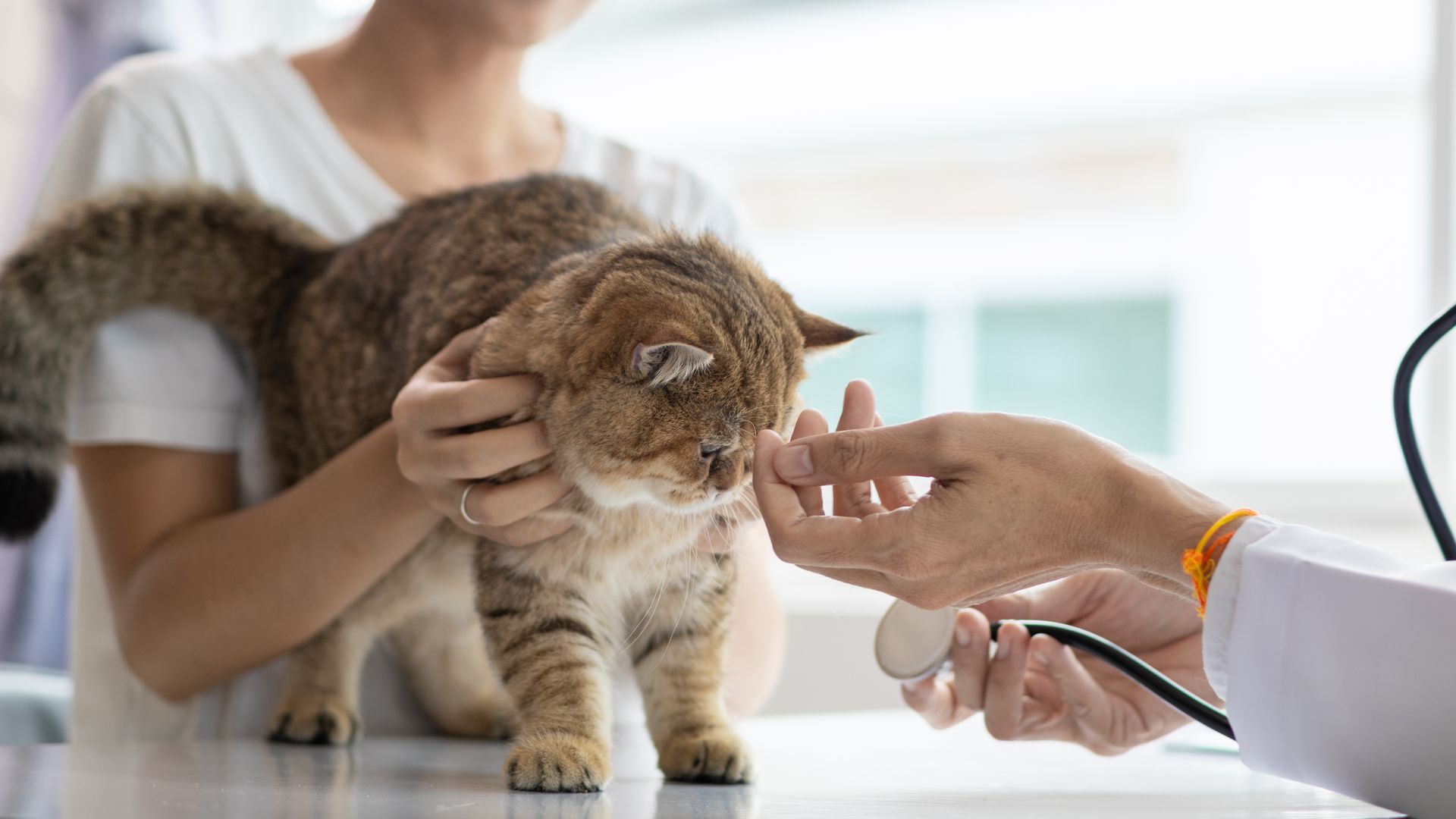
A wellness exam is a nose-to-tail check while nothing seems wrong. Your vet listens to the heart and lungs, looks at the teeth, feels the belly and lymph nodes, and compares weight to last year. Many vets also run a yearly fecal test and, for older pets, blood work that can show early kidney or liver changes.

Pet Vaccinations: Core and Lifestyle Shots
Vets split vaccines into two groups. Core vaccines protect against diseases that are widespread or deadly. For dogs, that means rabies, distemper, parvovirus, and adenovirus. For cats, it's rabies plus the FVRCP combination, which covers panleukopenia, calicivirus, and herpesvirus.
Lifestyle vaccines depend on how your pet lives. A dog that swims, hikes, or meets wildlife may need leptospirosis and Lyme vaccines. Dogs that board or go to daycare often need Bordetella. Outdoor cats and kittens are usually vaccinated for feline leukemia.
Parasite Prevention for Fleas, Ticks, and Worms
Ticks don't disappear in a Wisconsin winter. Adult deer ticks can become active on any day the temperature climbs above freezing, so many vets recommend tick protection year-round. Fleas are easier to prevent than to clear out of a house, since a single female can lay up to 50 eggs a day.
Intestinal worms matter for your family as well as your pet. Roundworms and hookworms can spread to people, especially children who play in soil. A yearly fecal test and a monthly preventive that also covers worms keep that risk low.
Animal Wellness Beyond the Exam
Weight is one of the biggest wellness factors you control at home. More than half of dogs and cats in the U.S. are estimated to be overweight. In a 14-year study of Labrador retrievers, dogs kept lean lived about 2 years longer than their heavier littermates. Extra weight also raises the risk of common illnesses in dogs and cats, from arthritis to diabetes.
Horses and livestock follow the same idea on a different calendar. Our large animal health page covers vaccines and parasite plans for farm animals.
About These Wellness Guides
As a non-profit, Animal Health X writes these pages to help you understand what your vet recommends and why. Vaccine and parasite plans vary by animal, so bring your questions to the exam and decide together.
Preventive Pet Care Through the Madison Year
Seasons shape the calendar here. Spring is a good time for the annual heartworm test, since mosquitoes return as the weather warms. Summer brings standing water and wildlife contact, which is when leptospirosis spreads most easily. In fall and winter, keep up with tick protection on mild days. Owners in Sun Prairie, McFarland, and Monona follow the same rhythm as those in Madison.
Prevention Questions From Pet Owners
Does my pet need every vaccine every year?
No. After the first series and a booster at 1 year, many core vaccines for dogs and cats are given every 3 years. Rabies may be a 1-year or 3-year shot, depending on the product used. Leptospirosis and Bordetella usually need yearly boosters.
Can I skip heartworm prevention in the winter?
The American Heartworm Society recommends giving it all 12 months. Most monthly products kill larvae picked up over the previous 30 days, so a winter dose still clears anything from a late warm spell. Skipping months also makes it easier to forget when spring arrives.
Do indoor cats need parasite prevention?
Yes. Mosquitoes get indoors, and in one study about a quarter of cats diagnosed with heartworm lived indoors only. Fleas also ride in on people and dogs. Unlike dogs, cats have no approved treatment for heartworm, so prevention is the only protection.
What is a titer test?
A titer is a blood test that measures your pet's antibodies against a disease, such as distemper or parvovirus. A strong result can mean a booster isn't needed yet. It doesn't replace a rabies vaccine where the law requires one.
Plan Your Pet's Next Checkup
Put your pet's next wellness exam on the calendar now, and send any prevention questions to Animal Health X
at animalhealthX@gmail.com
or (608) 255-1239.