Small Animal Health in Madison, WI: Dogs, Cats, and Small Pets
Small animal health covers the illnesses and injuries that affect dogs, cats, rabbits, guinea pigs, and other household pets. This guide is for owners in Madison, WI who want to know what's normal for their pet, what isn't, and what to do next. Animal Health X put it together so you can recognize a problem sooner and describe it clearly when you call your veterinarian.
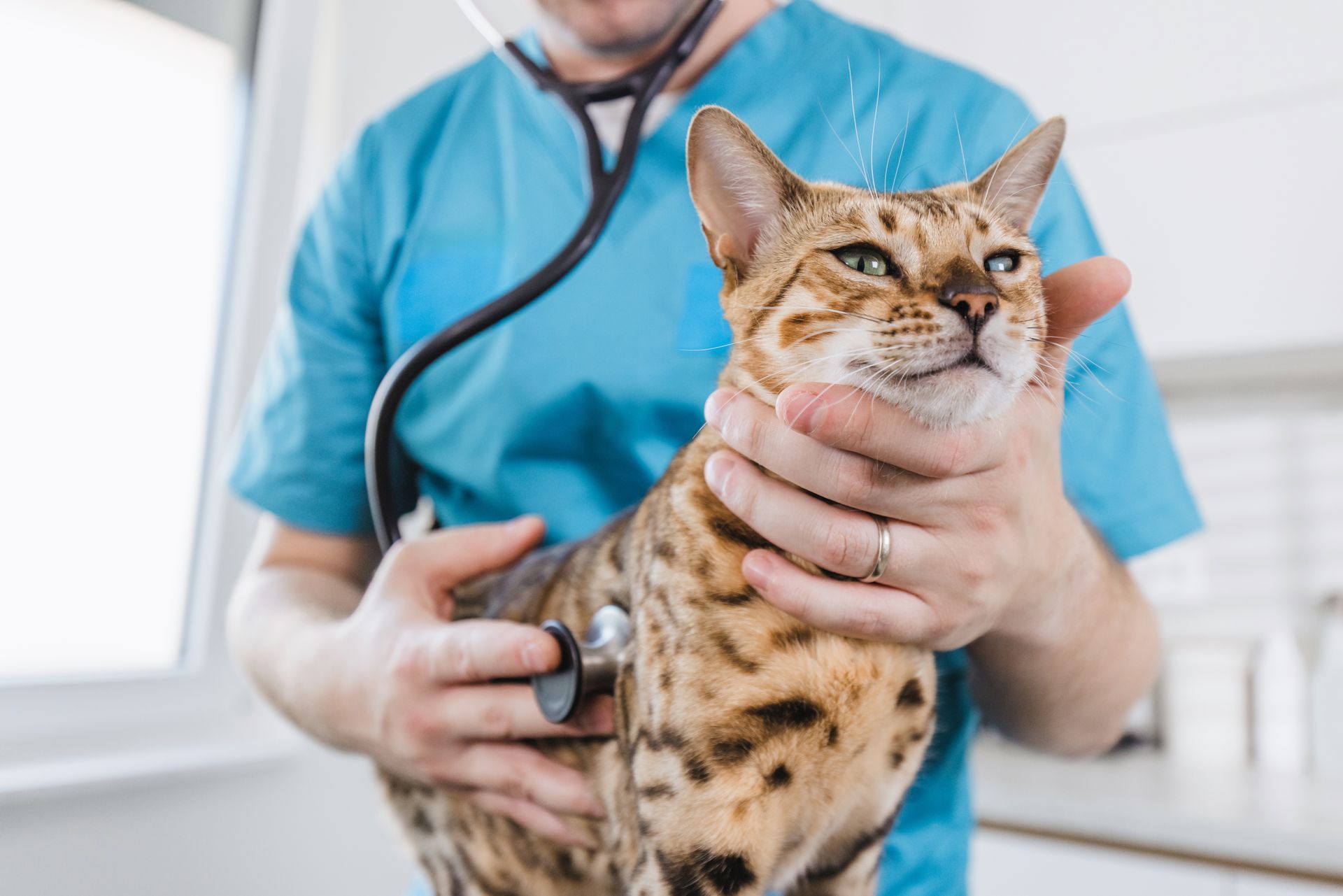
What Are the Signs That My Dog or Cat Is Sick?
The most common signs are a change in appetite or thirst, vomiting or diarrhea lasting more than 24 hours, unusual tiredness, hiding, and changes in how often your pet urinates. Any one of these is worth watching. Two or more together is worth a call.
Cats deserve extra attention here. As both predator and prey in the wild, they evolved to mask weakness, so by the time a cat looks sick, it has often been sick for a while..
Common Pet Illnesses by Animal
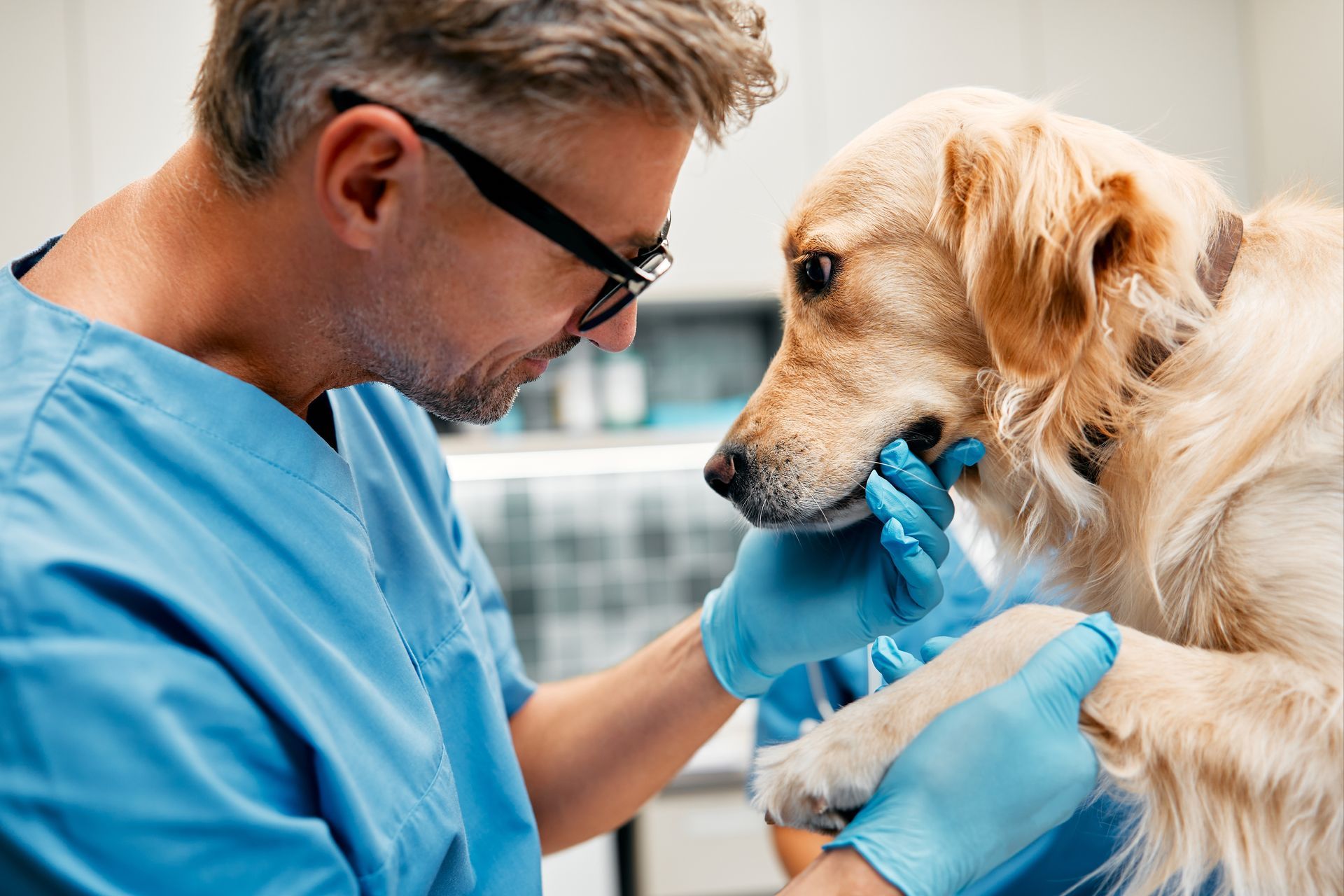
Dog Health: What Owners See Most
Itchy skin and ear infections are among the most common reasons dogs visit a vet. Watch for constant paw licking, head shaking, or a yeasty smell from the ears. Dental disease is just as common and easier to miss, since many dogs keep eating through the pain. Bad breath and red gums are the early clues.
Dogs that board, visit daycare, or spend time at dog parks can pick up kennel cough. It sounds like a dry honk and often clears in 1 to 3 weeks, but a cough with fever or low energy needs a vet.
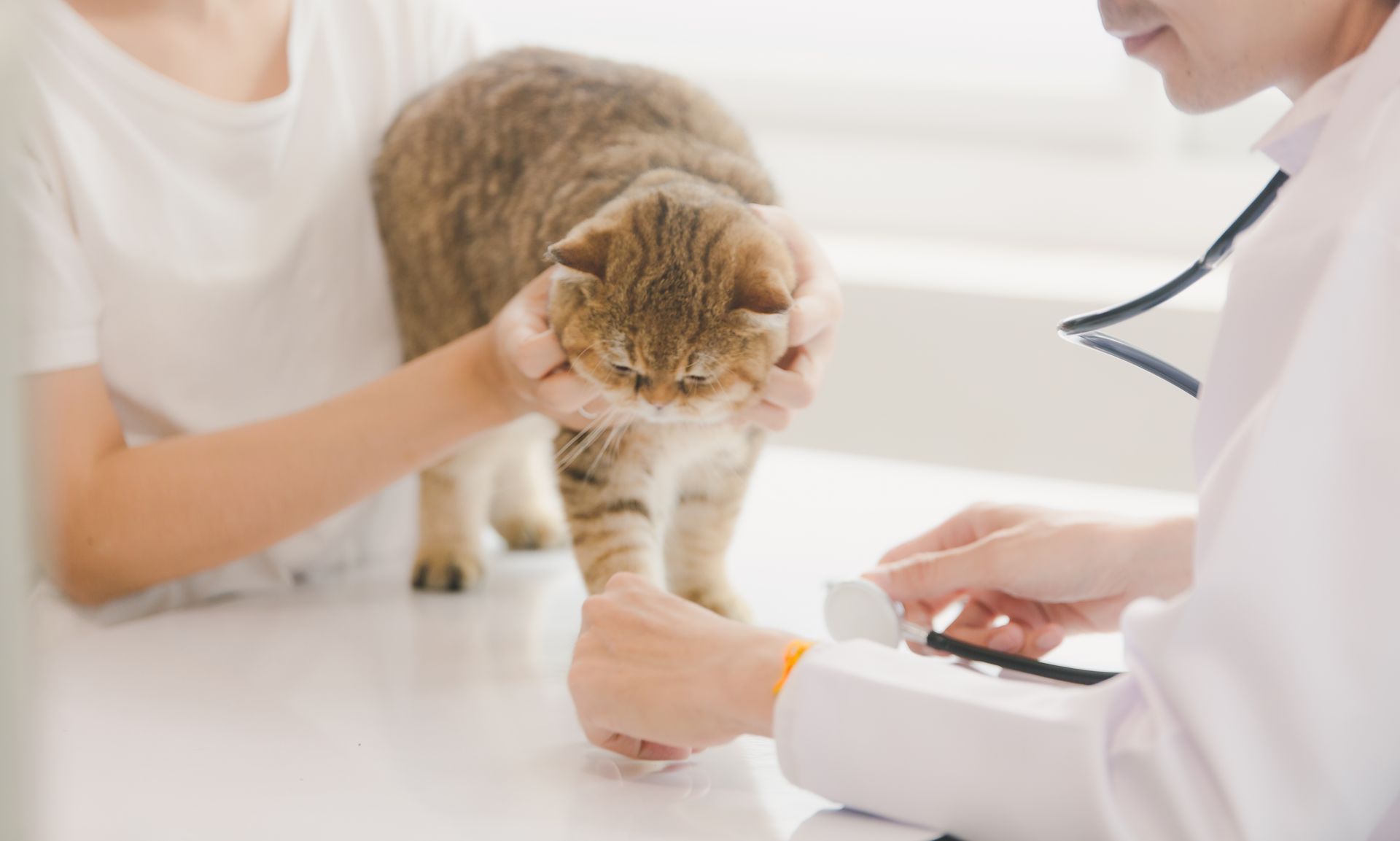
Cat Health: Quiet Problems to Watch
Urinary problems are common in cats of every age. Frequent trips to the litter box, small clumps, or peeing outside the box all point that way. In older cats, kidney disease and an overactive thyroid show up often. A cat over 10 that loses weight while eating more than usual should be checked for thyroid disease.
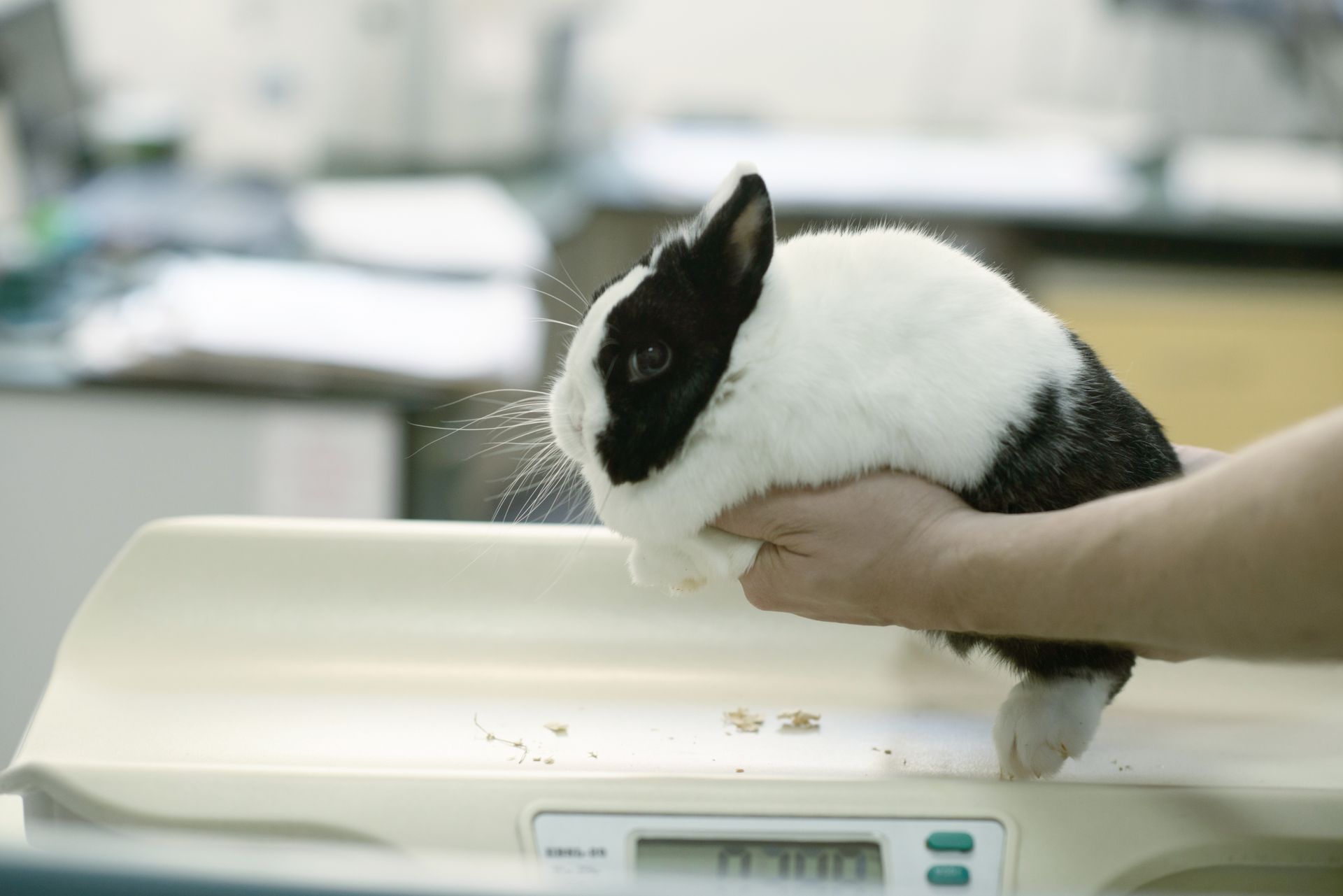
Rabbits, Guinea Pigs, and Other Small Pets
Rabbits and guinea pigs have teeth that never stop growing, so hay should make up most of their diet. Chewing it wears the teeth down. Guinea pigs also can't make their own vitamin C and need it from fresh vegetables or a supplement every day. For rabbits, a lack of droppings is an emergency, because it can mean the gut has stopped moving.

Signs Your Pet Is Sick: A Quick Home Check
Three simple checks tell you a lot. First, lift the lip and look at the gums: they should be pink, and color should return within 2 seconds after you press them. Pale, blue, gray, or yellow gums need a vet right away. Second, count breaths while your pet sleeps. Fewer than 30 a minute is normal for most dogs and cats.
Third, gently pinch the skin between the shoulder blades. It should snap back at once. If it stays tented, your pet may be dehydrated. Our pet care information page covers how much water dogs and cats need.
How Animal Health X Helps Pet Owners
We're a non-profit focused on animal education, and these guides are meant to work alongside the advice your own vet gives. They're built to help you catch changes early and ask better questions at the appointment. Our page on urgent symptoms that need a vet sorts true emergencies from the issues that can safely go to a regular appointment.

Small Animal Health Around Madison's Lakes
Living near water brings one local risk to know about. In summer, blue-green algae blooms often appear on Lake Mendota and Lake Monona, and the toxins can kill a dog within hours of swimming or drinking. Keep dogs out of water that looks like pea soup or has a scummy surface.
The same advice holds for owners in Middleton, Fitchburg, and Verona, where ponds and retention basins can bloom too.
Questions About Small Animal Health
How can I tell if my cat is in pain?
Look at the face and posture. A cat in pain often squints, holds its ears flattened or turned out, and sits hunched with its head low. Many vets use a tool called the Feline Grimace Scale that scores these same signs. A cat that stops grooming is also giving you a clue.
Is it normal for my dog to vomit once?
A single episode in a dog that otherwise acts normal often passes on its own. Call your vet if vomiting happens more than twice in a day, contains blood, or comes with a swollen belly or repeated retching with nothing coming up.
What is a normal temperature for a dog or cat?
Normal is about 100.5 to 102.5 degrees Fahrenheit for both. A reading above 103 or below 99 is a reason to call your vet. A digital rectal thermometer gives the most accurate reading at home.
How long can a cat safely go without eating?
Not long. After 24 to 48 hours without food, cats, especially overweight ones, can develop hepatic lipidosis, a fat buildup in the liver that can be fatal. If your cat skips more than a day of meals, call your vet.
Get Help Sorting Out Your Pet's Symptoms
Send us a question about your pet's health at
animalhealthX@gmail.com, or reach us by phone at (608) 255-1239. If your pet is struggling to breathe or has collapsed, skip the email and head to the nearest emergency animal hospital.