Large Animal Health in Madison, WI: Horses, Cattle, and Goats
Horses and farm animals need care on a calendar, not only when something goes wrong. This large animal health guide is for owners in Madison, WI and the farm country around it. It covers everything from a single backyard horse to a small herd of cattle, goats, or sheep. Animal Health X wrote it to make yearly planning simpler and to help you get more out of each visit from your large animal vet.
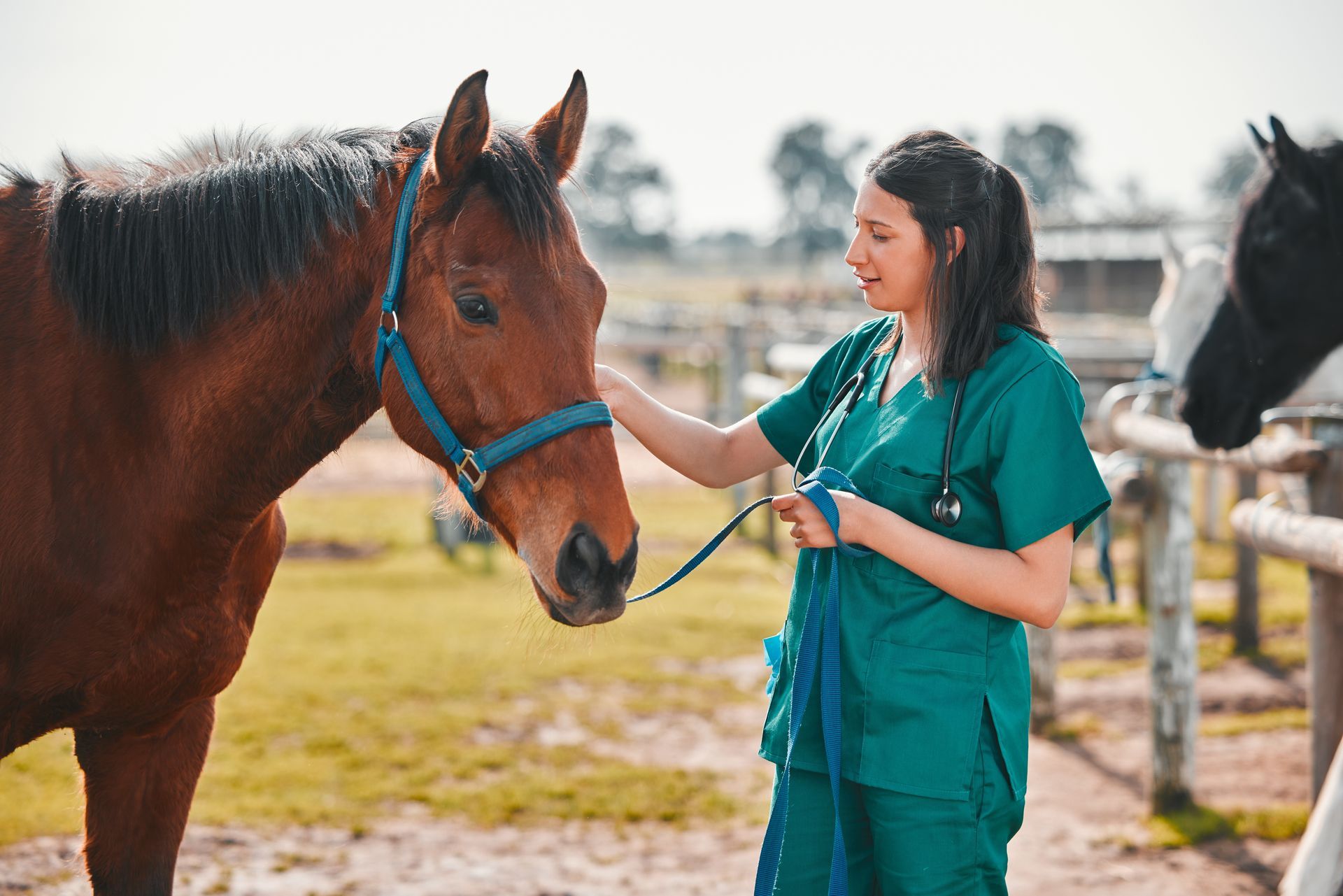
What Routine Health Care Do Horses and Livestock Need?
Most horses and livestock need a veterinary exam and core vaccines once a year, a parasite plan based on fecal egg counts, routine hoof care, and a dental check. Those four pieces cover most of the calendar.
For horses, the core vaccines are tetanus, rabies, Eastern and Western equine encephalomyelitis, and West Nile virus. Give them in spring, before mosquito season starts. Deworming has changed too: instead of treating every horse on a fixed schedule, many vets now test manure first and treat the animals that actually carry a heavy worm load..
Large Animal Care by Species
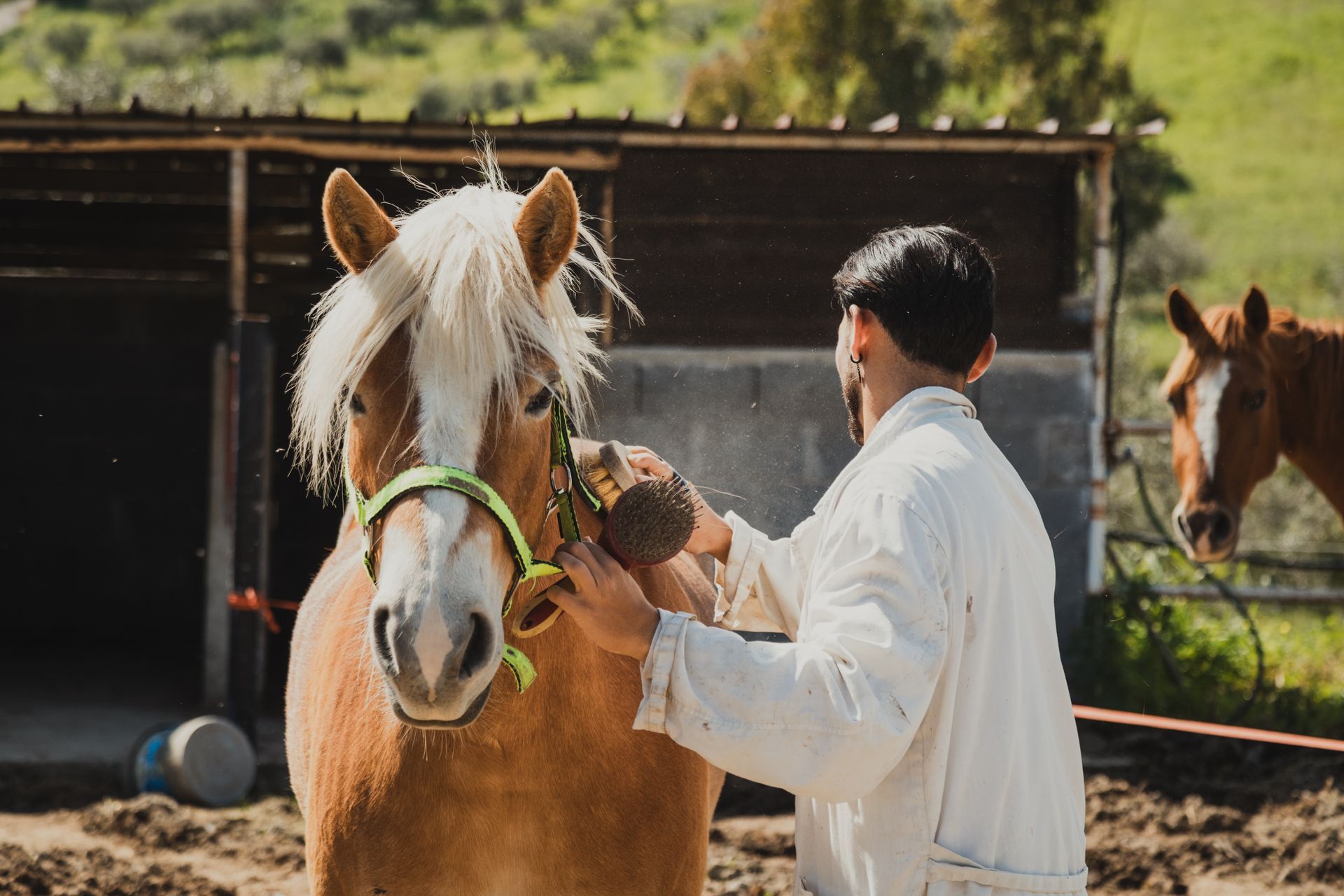
Horse Health and Colic Warning Signs
A horse's teeth keep erupting through most of its life, and sharp edges form as they wear. Most adult horses need their teeth floated, or filed smooth, once a year. Weight loss, dropped feed, or head tossing under the bit can mean it's overdue.
Colic is the emergency horse owners fear most, and it's simply belly pain. Pawing, rolling, kicking at the belly, or no manure for several hours all call for a vet. Take away feed while you wait.
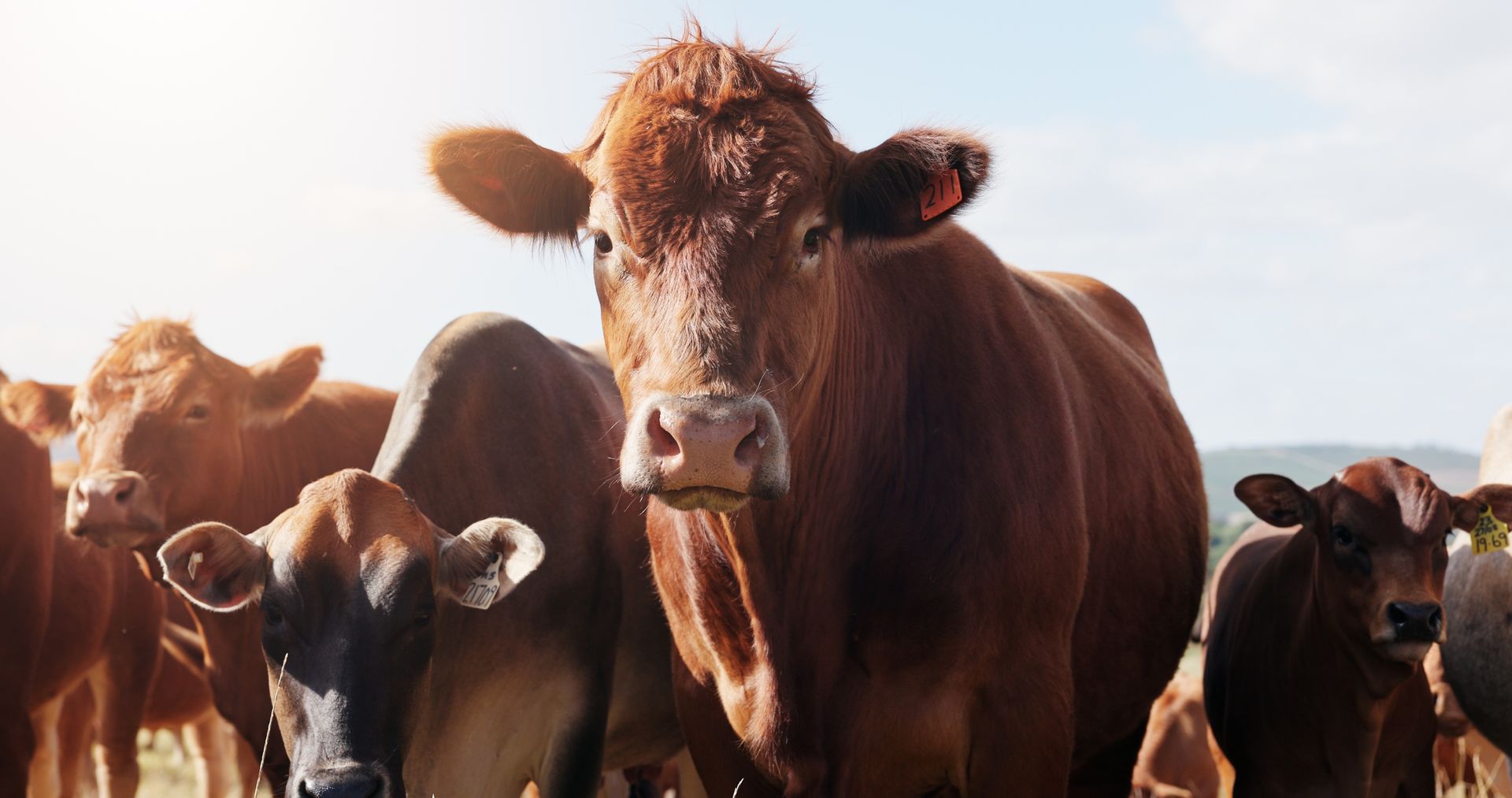
Cattle Care and Body Condition
Beef cattle are judged on a body condition score from 1 to 9, where 5 or 6 is the target for most cows heading into calving. A cow that drops below 5 near calving tends to produce weaker colostrum and takes longer to breed back. Feel along the ribs, spine, and tailhead every few weeks to track it.
Most herds also vaccinate yearly against common respiratory and reproductive diseases, such as IBR and BVD. Your vet sets the exact list based on your herd and whether you buy in new animals.
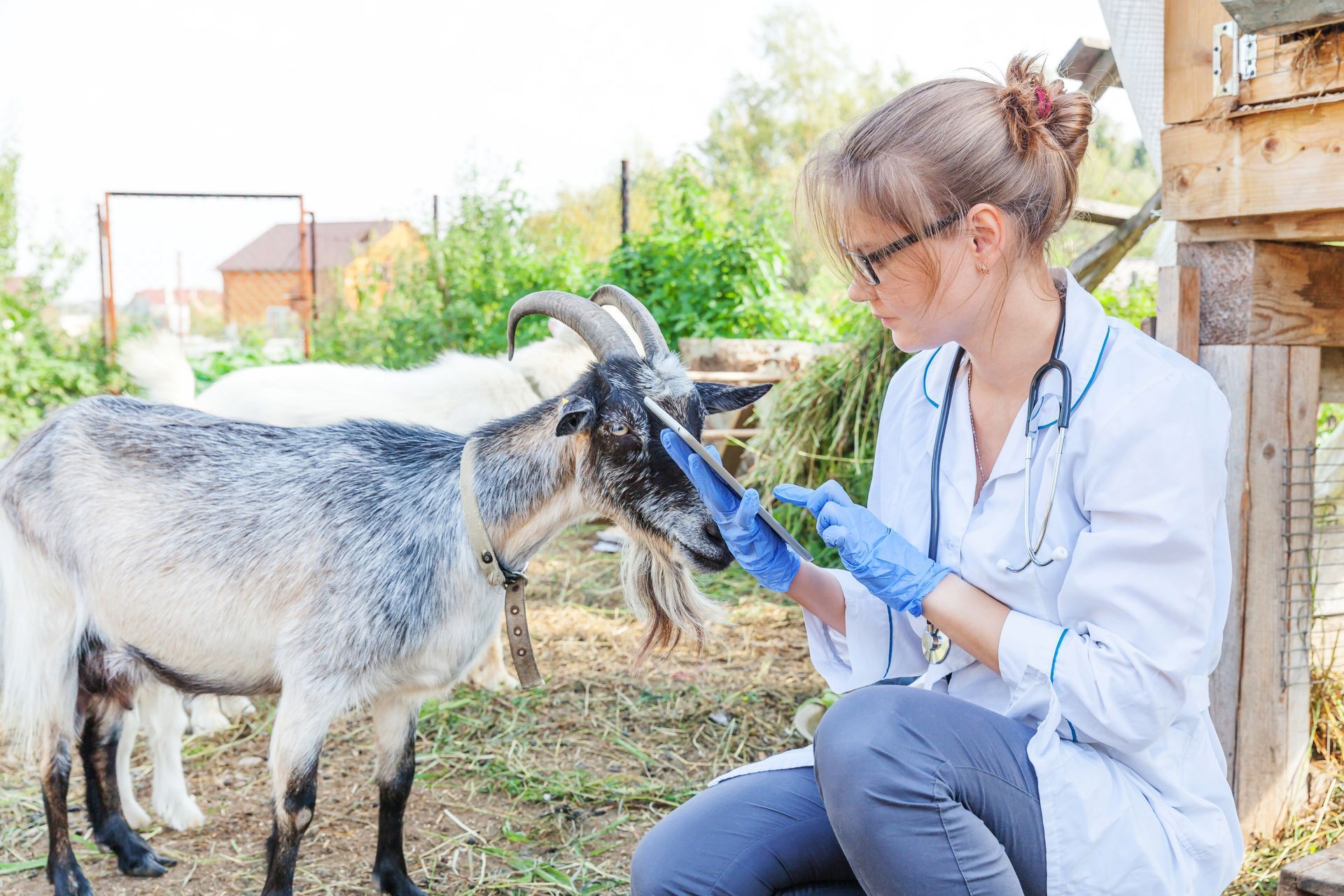
Goats and Sheep
Goats and sheep are prone to barber pole worm, a parasite that drains blood and causes anemia. The FAMACHA system checks for it by comparing the color of the inner eyelid to a printed chart, so you can treat only the animals that need it. Both species usually get a CD&T vaccine each year to protect against tetanus and two forms of enterotoxemia.
One difference matters a lot: sheep are sensitive to copper. Never feed sheep a mineral mix made for goats or cattle, because the extra copper can poison them.
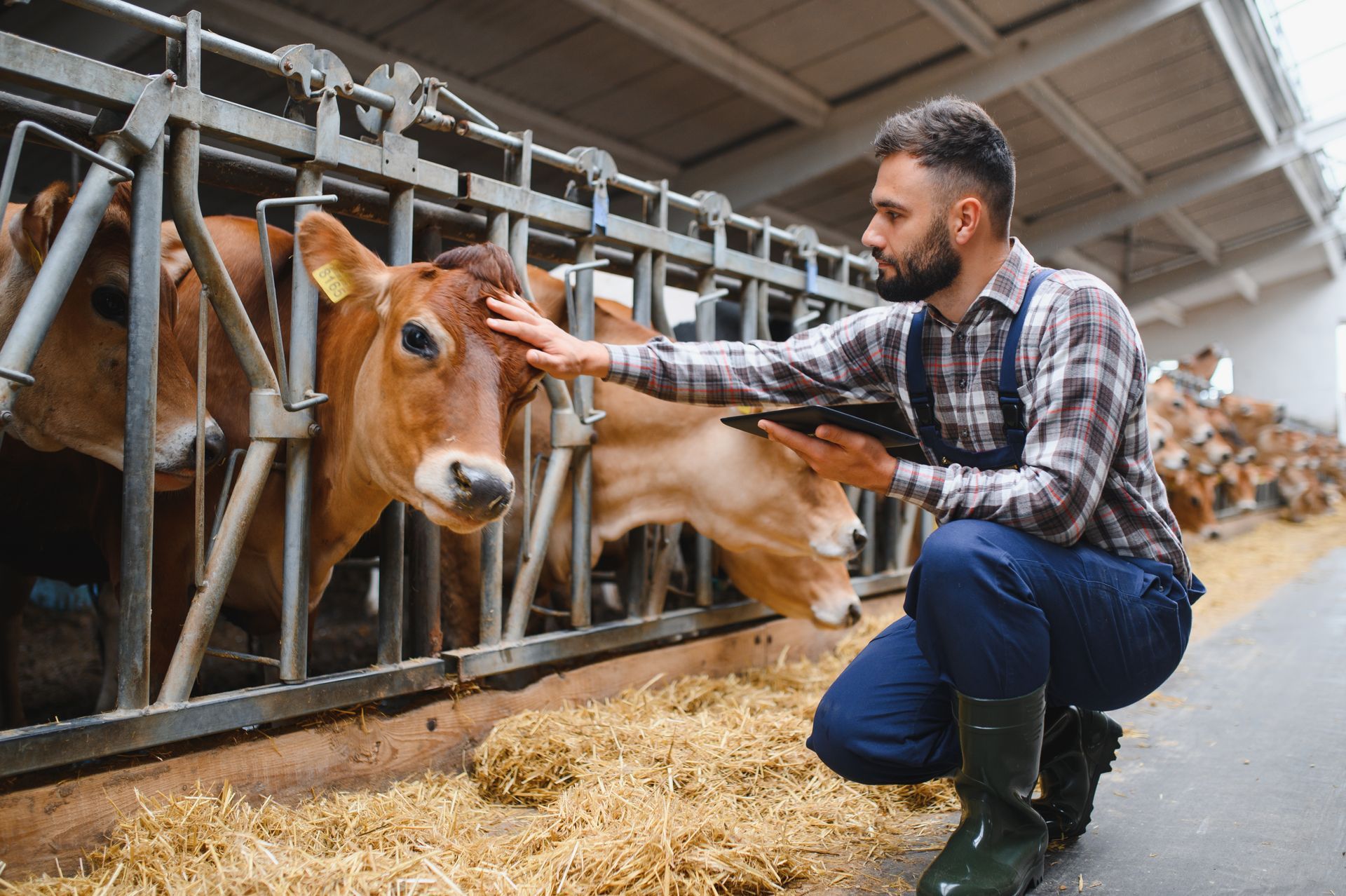
Farm Animal Care Through a Wisconsin Winter
Cold is easier on livestock than wet and wind. A dry, thick coat and a windbreak let most cattle and horses handle temperatures well below freezing. For a cow with a dry winter coat, energy needs rise about 1 percent for every degree below roughly 18 degrees Fahrenheit. Extra hay is the answer, since digesting it produces heat from the inside.
Water matters as much as feed. Horses drink more when water sits between about 45 and 65 degrees, so a tank heater does more than stop ice from forming.
Where Animal Health X Fits In
Animal Health X is a Madison non-profit, and this guide is general education for owners. Large animal vets often cover wide territories and fill their calendars fast in spring. Set up a relationship with one before you ever need an emergency call, then build the yearly plan with them. For help judging what counts as an emergency, see our guide to when animals need a vet. Our preventive care guide explains how wellness exams and vaccines fit together.
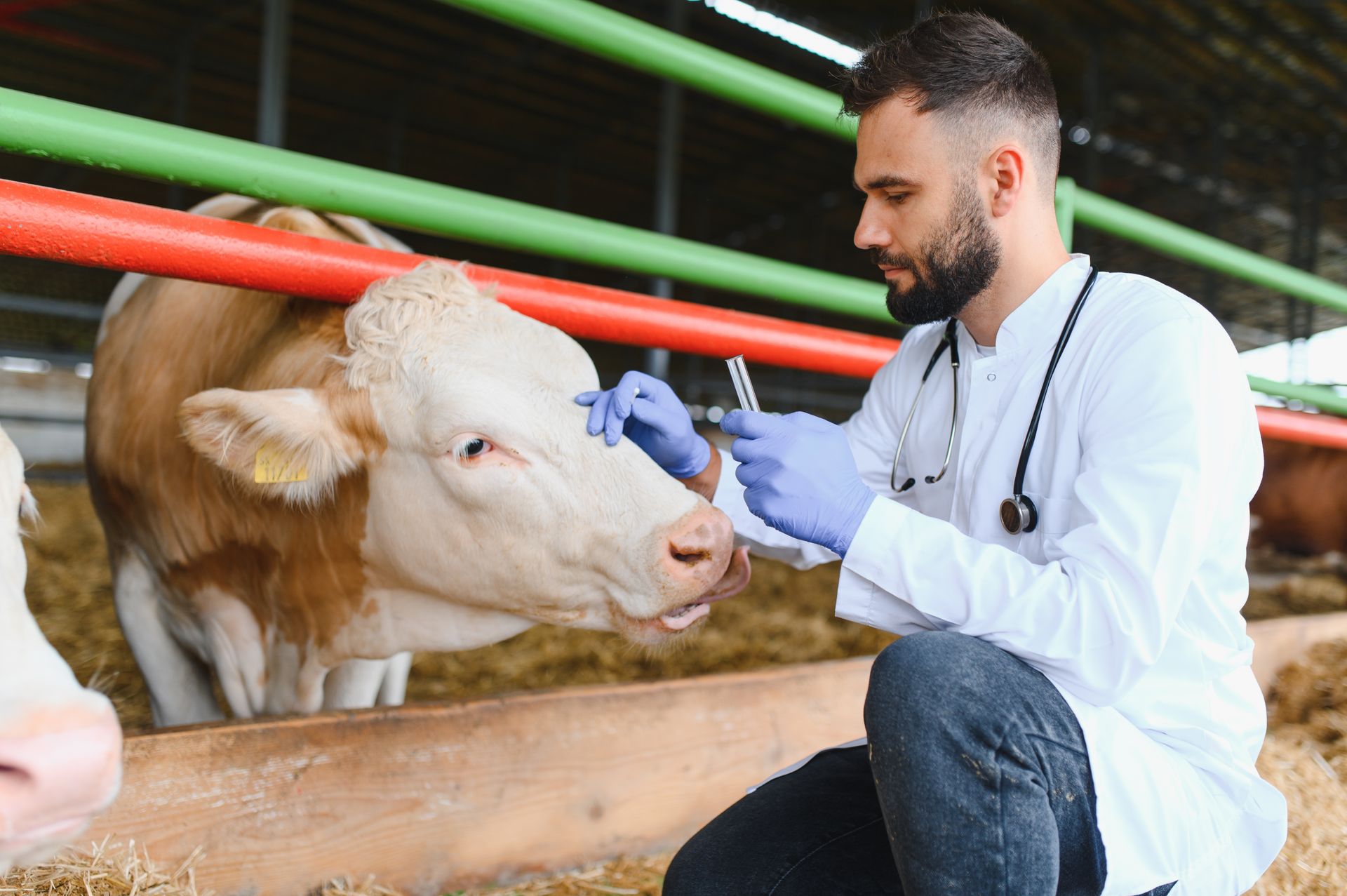
Large Animal Health Across Madison and Dane County
Dane County is dairy country, and plenty of horse barns and hobby farms sit within a short drive of Madison. This guide is written for owners here and in nearby communities like Verona, Sun Prairie, and McFarland. Local timing matters: mosquitoes that carry West Nile and Eastern equine encephalitis are active here from late spring into fall, which is why spring vaccines count.
Questions About Horse and Livestock Health
What is a normal heart rate for a horse?
A healthy adult horse at rest has a heart rate of about 28 to 44 beats per minute. A resting rate above 60 often signals serious pain, such as colic. You can find the pulse under the jaw, where an artery runs along the inside edge.
What is a Coggins test, and do I need one?
A Coggins test is a blood test for equine infectious anemia, a virus with no cure. Wisconsin requires a negative test for horses coming in from other states, and many shows, trail rides, and boarding barns ask for one within the past 12 months.
How often do goat hooves need trimming?
Most goats need a trim every 4 to 8 weeks, sooner if they live on soft bedding or grass instead of rocky ground. Overgrown hooves fold under and trap dirt, which can lead to foot rot.
How much water does a cow drink in winter?
A mature beef cow drinks roughly 10 gallons a day even in cold weather, and a milking dairy cow can drink 30 gallons or more. Cows will eat snow, but it rarely covers what they need.
Reach Out About Your Animals
Send questions about horse or livestock care to animalhealthX@gmail.com, or call (608) 255-1239. For a down animal or a horse in obvious pain, call your large animal vet first.